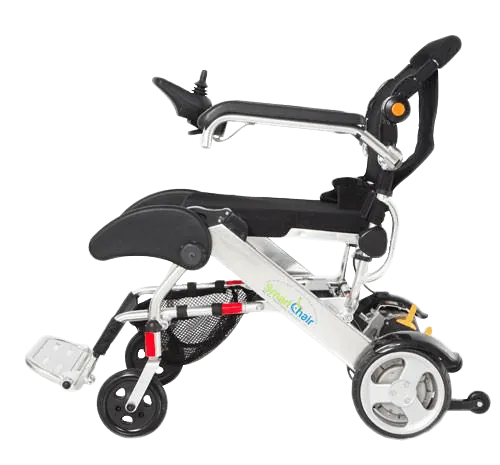
Electric wheelchair
An electric wheelchair helps give you back your independence. Enjoy going out again with battery technology built for longer days out.
Learn moreMobility and assistive living devices for people with disabilities. Disability Friendly helps you regain your independence and start exploring again.

We are a source of information on assistive devices for the elderly and the disabled community. We bring you the newest innovations in assistive mobility solutions for disabled individuals to live a healthy and productive life.
Our disability awareness resource center is a top destination for those wanting to learn more about issues that affect the disabled community. By raising awareness we help businesses, communities, and our loved ones understand the issues that concern the disabled.
Visit the disability awareness center
Send us a message and we will point you to the right guide for wheelchairs, scooters and everyday living aids.
An electric wheelchair helps give you back your independence. Enjoy going out again with battery technology built for longer days out.
Learn more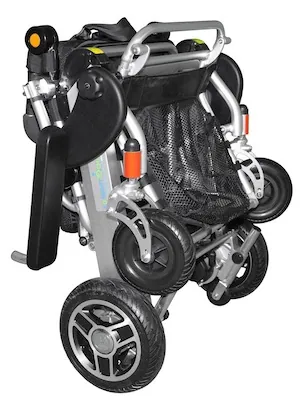
Folding chairs are made to be highly portable, so you can travel and keep your mobility. Go to more places with the convenience of a powered chair on your trip.
Learn more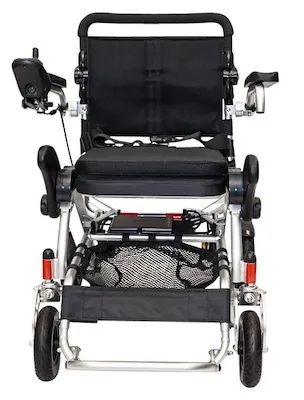
A lightweight chair is easier to lift, load and carry. It brings the power of electric together with the portability of a light folding chair.
Learn moreAn electric wheelchair helps give you back your independence. Enjoy going out again with battery technology built for longer days out.
Learn moreMobility aids help people move, keep their balance and take part in daily life. They range from a simple cane to a power wheelchair, and the right one depends on your strength, balance, health and the places you go. This guide explains the main types of mobility aids, how to choose one and how to keep it in good shape.
A manual wheelchair moves when the user pushes the hand rims or a helper pushes the handles. It suits people with enough upper body strength, or with someone to help. A power wheelchair, also called an electric or motorized wheelchair, uses a battery powered motor and a joystick, which helps people who cannot push a manual chair. Compare them in our manual wheelchair, electric wheelchair and motorized wheelchair guides.
If lifting the chair matters, see our lightweight wheelchair, folding wheelchair and portable wheelchair guides. For short trips with a companion, a transport chair is lighter and more compact.
A standard walker has no wheels or two front wheels, and you lift or slide it forward with each step. It gives the most stable support for walking. A rollator has three or four wheels, hand brakes and often a seat and basket, so you push it without lifting. Rollators suit people who can walk steadily while holding the handles. Always set the brakes before sitting on a rollator seat.
A cane is held in one hand to help with balance or ease weight on one leg. It is not enough support for someone who needs to keep weight off both legs. Crutches carry more weight than a cane. Forearm crutches have a cuff around the forearm, while underarm crutches should be held with the hands, not pressed into the armpits. A physical therapist can set the right height and show safe use.
A mobility scooter suits people who can sit upright, steer and use the controls but have trouble walking far. It is ideal for shopping, outings and larger outdoor areas. Some fold for the car. Compare models in our mobility scooters and folding mobility scooter guides.
The best mobility aid fits the person, the home and the daily routine. A physical or occupational therapist can assess your needs and suggest suitable options.
Every mobility aid has a maximum weight set by its maker. Check the rating for the whole device, including the seat and accessories, and compare it with the user's weight. Bariatric models are built for higher loads. See our heavy duty wheelchair guide.
Match the wheels and frame to the surfaces you use most. Smaller wheels turn easily indoors, while larger, stronger wheels handle grass and gravel better. Measure doorways and turning spaces at home. Our small wheelchair and all terrain wheelchair guides cover tight spaces and rough ground.
A lightweight or folding aid is easier to store and take with you. Check the full weight, including any battery, and the folded size against your trunk. For flights, contact the airline before you travel to ask about wheelchair and battery rules.
Test the brakes, controls and stability before you buy, and check that the seat, handles and footrests suit the user. Practice in a safe, open area first, and make sure caregivers know how to use the brakes and controls.
Regular care keeps mobility aids safe and helps them last longer.
Our parts of a wheelchair guide explains what each part does, and wheelchair accessories covers cushions, bags and other add ons.
Grab bars, shower chairs, raised toilet seats and threshold ramps work alongside mobility aids to make a home safer. Stair lifts and patient lifts help with movement between floors and transfers. A qualified professional should check fit and placement.
Lighter frames, longer lasting lithium batteries, smart sensors and exoskeletons are changing personal mobility. Features and results vary by model, so check the maker's details and ask a professional about suitability. See what is coming next in our guide to new wheelchair designs.
The Americans with Disabilities Act sets access rules for public places and services. It does not require anyone to use a specific mobility aid. Learn more in our disability awareness center.
Choosing a mobility aid starts with understanding your everyday needs.
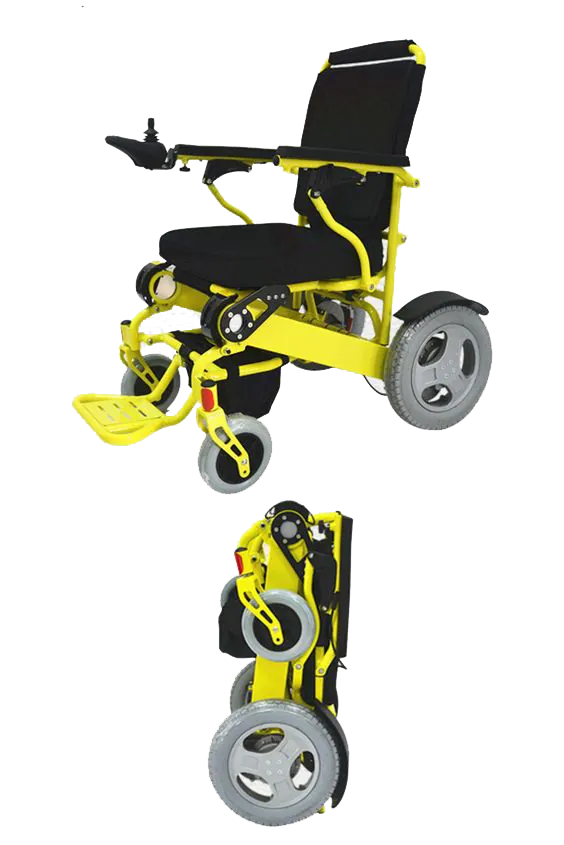
A folding design can make it easier to plan trips and store your chair.
The right mobility aid can help you take part in the places and activities you enjoy.

Have a question? Contact us