Compare chairs made for carrying and travel.
Folding wheelchair guide: how to choose the right chair
A folding wheelchair is a wheelchair with a frame that folds, so it can be stored in a small space, lifted into a car or taken on a trip. This guide explains how folding frames work, how manual and power folding chairs differ, what to check before you choose, and how a folding wheelchair compares with a portable wheelchair and a lightweight wheelchair.
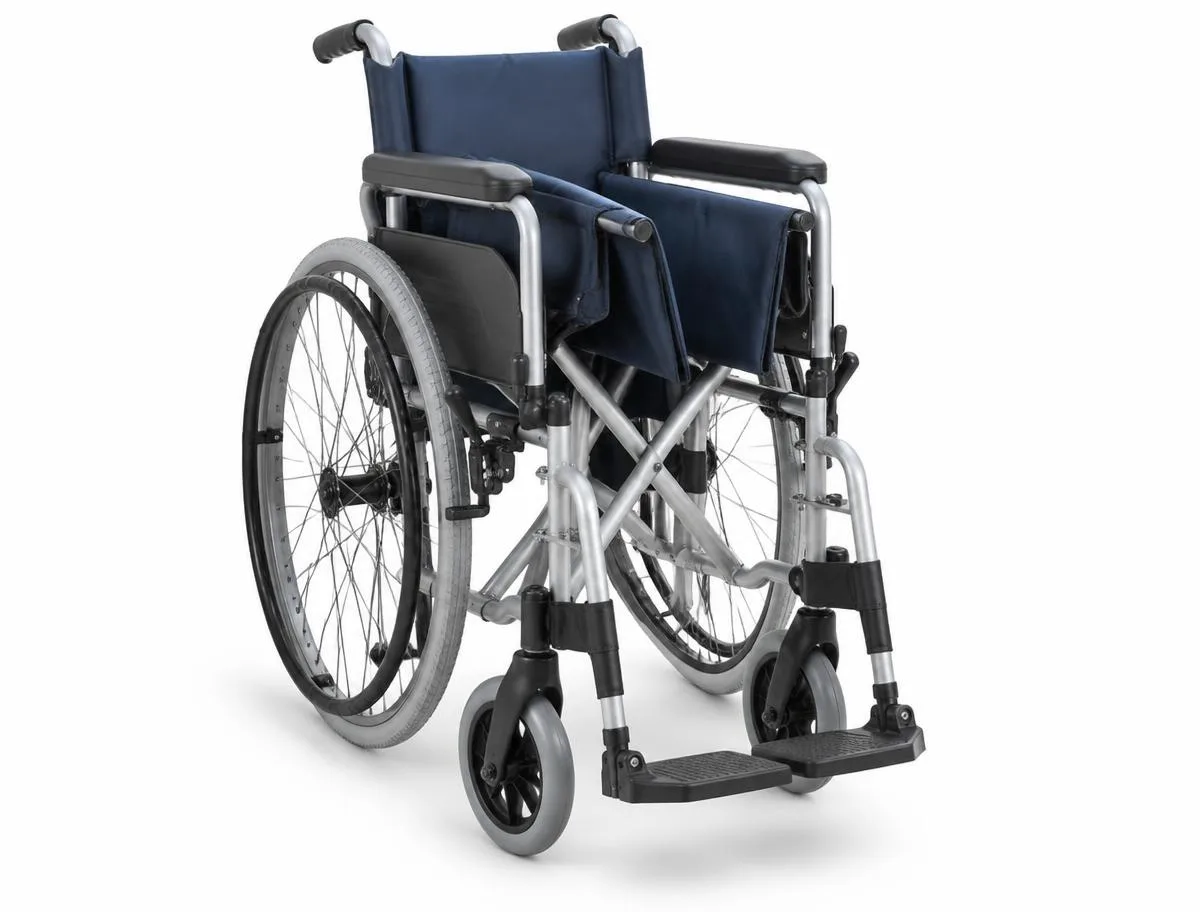
What is a folding wheelchair?
A folding wheelchair has a frame that folds, so the chair takes up less room when it is not in use. Many people use one every day, and others keep one for appointments, family visits and outings. A folding wheelchair may be manual, which means the user or a helper pushes it, or powered, which means a motor helps it move.
How a folding frame works
Many folding wheelchairs fold from side to side, so the seat closes in and the frame becomes narrower. Some chairs also let the back fold down or the wheels and footrests come off, which can make the chair easier to carry. Each maker uses its own method, so read the instructions for the chair you choose.
Who a folding wheelchair may suit
A folding wheelchair may suit someone who travels by car, has limited storage space or wants a chair to keep for outings. It can also suit a caregiver who lifts the chair often. Because needs differ, ask a healthcare professional or therapist which style and setup fit the user.
Folding wheelchair or another type of chair?
A folding wheelchair is defined by how its frame folds, so it overlaps with several other guides on this site. These notes show where each one fits.
Folding wheelchair or portable wheelchair
A portable wheelchair is a chair made for carrying and trips, and many portable chairs fold. This page looks at the folding frame itself: how it works and what to check. The portable wheelchair guide goes further into carrying and travel.
Folding wheelchair or lightweight wheelchair
A lightweight wheelchair is made to be easier to lift and push. Some lightweight chairs fold and others do not. If lifting is your main worry, compare both guides.
Folding wheelchair or non-folding manual wheelchair
A non-folding manual wheelchair has a rigid frame, and many users find it stable. A folding chair gives up some of that rigidity for easier storage and transport. The manual wheelchair guide explains the manual types in more detail.
Types of folding wheelchair
Manual folding wheelchairs
A manual folding wheelchair is pushed by the user or by a helper. It has no motor and no battery to charge. Some have large rear wheels with push rims so the user can move the chair alone, and others have smaller rear wheels and push handles for a helper to use.
Power folding wheelchair
A power folding wheelchair has a motor and a battery, and its frame folds so the chair can be stored or loaded. A motor can reduce the effort of moving, but the folded chair may still be heavy to lift, so ask the maker what the folding and loading steps involve. The electric wheelchair and motorized wheelchair guides cover powered chairs in general.
Folding transport chairs
A transport chair is made to be pushed by someone else, and many transport chairs fold for storage. It can suit short outings with a helper, but the user cannot easily move it alone.
Folding wheelchair for travel
A folding wheelchair can make trips easier because it can be stored in a car or carried by a helper. These notes cover what to think about when the chair is for travel.
Foldable travel wheelchair
A foldable travel wheelchair is a folding chair chosen for trips. Look for a frame that folds quickly and stays closed while you carry it, and ask the maker what the folded chair needs for storage. Check the weight the maker lists for the chair you choose.
Planning a trip with a folding wheelchair
Rules differ between airlines, trains, buses and hotels, so check with each carrier or venue before you travel. Ask whether the chair can stay with the user until boarding and how it will be stored. Take the maker's instructions with you.
What to look for in a folding wheelchair
Folding and unfolding
Ask for the maker's folding steps, or try the fold and the unfold before you decide. The chair should open fully, lock firmly and close without trapped fingers or loose parts. A frame that is hard to open can be harder to use safely.
Locking and stability
A folding frame has moving joints, so check that the chair feels steady when open and that no part rocks or shifts. Ask the maker how the chair locks and how to tell that it is fully open.
Folded size and storage
Think about where the folded chair will go: a car, a closet, a hallway or a travel bag. Ask the maker for the folded size of the chair, then compare it with the space you have.
Lifting and loading
A folded chair still has to be lifted by someone. Ask who will do the lifting and whether the wheels or footrests come off to make it easier. Ask a healthcare professional or therapist about safe ways to lift and transfer.
Seat, back and cushion
Some folding wheelchairs have a flexible seat and back so that the frame can close. Check that the seat supports the user without squeezing or leaving gaps, and ask a healthcare professional or therapist which cushion suits the user.
Wheels, brakes and footrests
Check that the wheels turn freely, that the brakes are easy to reach and hold firmly, and that the footrests can be moved out of the way for transfers and put back securely.
Cheapest folding wheelchair: what to compare
Many people start by searching for the cheapest folding wheelchair. Cost is a fair question, and it helps to compare what each chair includes before you decide.
What affects cost
The cost of a folding wheelchair depends on the type of chair, the frame material, the adjustments and the parts included. Powered chairs often cost more than manual chairs. Check the current cost with the seller.
What to check on a lower cost chair
A lower cost chair may offer little adjustment, so check the fit, the brakes, the locking and the footrests. Ask what is included with the chair and what support follows the sale. Ask a healthcare professional or therapist whether the chair suits the user.
Questions to ask before you choose
- Who will fold, lift and load the chair: the user, a helper or both?
- Is the chair manual or powered, and does that suit the user's strength and routine?
- Where will the folded chair be stored or carried: a car, a closet or a travel bag?
- Does the chair open fully, lock firmly and feel steady when open?
- Do the seat, back and footrests suit the user's body and posture?
- What does the maker list for weight, folded size and capacity?
- What is included with the chair, and what support follows the sale? Ask the seller to explain this clearly.
Using and caring for a folding wheelchair
Safe use
Follow the maker's instructions for folding, unfolding and use. Open the chair fully and check that it is locked before the user sits down, lock the brakes before getting in or out, and keep the footrests secure. Ask a healthcare professional or therapist to show safe ways to transfer and to move on slopes or uneven ground.
Regular checks
Check the folding joints, locks, wheels, tires, brakes and seat often, and keep the chair clean and dry. If a part looks worn, a lock does not hold or the chair does not open fully, stop using it until it has been checked.
Frequently asked questions
A folding wheelchair is a wheelchair with a frame that folds, so it can be stored in a small space or carried in a car. It may be manual or powered. Ask a healthcare professional or therapist which style suits the user.
They overlap, but they are not the same. A folding wheelchair is described by its folding frame, while a portable wheelchair is described by how easy it is to carry and take on trips. Many portable chairs fold.
Some powered chairs have a frame that folds. A motor and battery can reduce the effort of moving, but the folded chair may still need lifting, so ask the maker about folding and loading. See the electric wheelchair guide for powered chairs in general.
Look for a frame that folds and locks easily, a folded size that suits your car or bag, and a weight that you or a helper can lift. Check the weight and folded size the maker lists, and check carrier rules before a trip. A lightweight wheelchair may be worth comparing if lifting is your main worry.
It depends on the folded size of the chair and the space in your car. Ask the maker for the folded size and compare it with the space you have. Think about who will lift the chair, and ask a healthcare professional or therapist about safe lifting.
No single chair is the cheapest for everyone, because cost depends on the type of chair, the frame, the adjustments and the parts included. Compare what each chair includes, not only the cost, and check the current cost with the seller.
Follow the maker's instructions for the chair you have. Lock the brakes first, move or remove the footrests if the instructions say so, and make sure the chair is fully open and locked before anyone sits down. Ask a healthcare professional or therapist to show a safe method.