Explore powered mobility and seating considerations.
Discover the best transport chair for all your mobility needs
Find the right transport chair for easy mobility and comfort. This guide covers lightweight, folding and durable options, how a transport chair differs from a manual wheelchair, and what to check before you choose.
Why choose a transport chair
What is a transport chair?
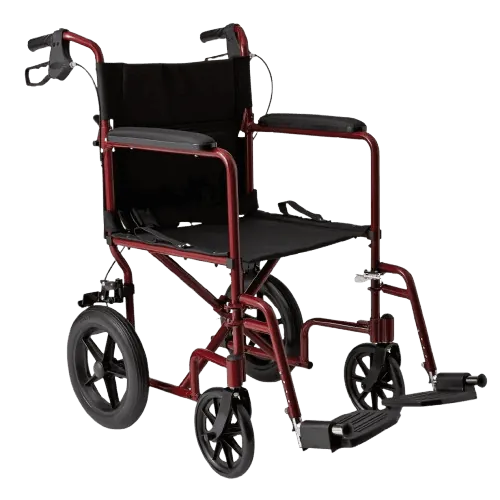
A transport chair is a mobility aid that a caregiver pushes. Many are lightweight, which makes them easy to move and to carry in a car. A transport chair can suit shopping trips, medical visits or hospital appointments, and it can make outings easier for both the user and the caregiver. Many people compare transport chairs with a portable wheelchair when they need something that travels well.
Comfort and safety in a transport chair
Comfort and safety should come first when choosing a transport chair. Look for a sturdy build, an ergonomic design and working brakes. Adjustable parts can add comfort, and padded seats and backrests help the user stay at ease on longer outings. Follow the manufacturer's instructions for use and ask a healthcare professional about fit.
How transport chairs improve mobility
A transport chair is a reliable option for people who find it hard to walk long distances. A transport wheelchair or mobility chair can make it easier to get around when walking is tiring.
Ideal situations for using a transport chair
Many situations suit a transport chair. A bariatric transport chair is built for larger users and gives stronger support. Compact, lightweight chairs suit home care and travel. A hospital-style chair is usually easy to clean and move. An outdoor transport chair is built to handle different surfaces. For longer independent trips outdoors, some people look at mobility scooters instead.
Transport chair or wheelchair?
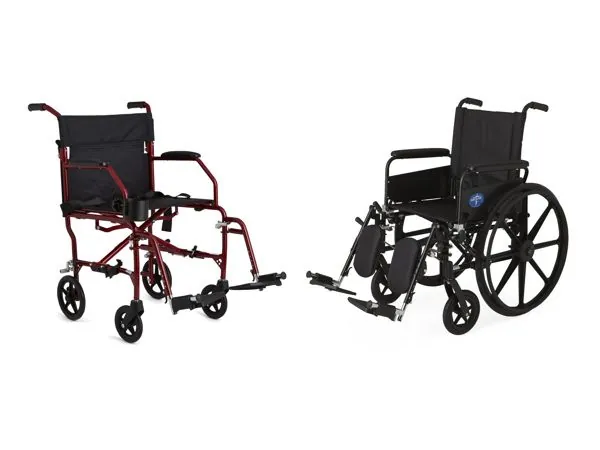
A transport chair is pushed by a caregiver and usually has small rear wheels, so the user cannot easily propel it. A wheelchair has larger rear wheels, so the user can move it without help. A manual wheelchair suits someone who wants to self-propel, while a transport chair is usually lighter and folds smaller, which suits short trips and outings.
Key insights
- Look at lightweight transport chair options for easy carrying, travel and comfort.
- Check seat width, brakes and footrests before you choose.
- Specialty options include dual-purpose, pediatric, low-profile, extra-wide and non-folding chairs.
- Hybrid designs can combine features of different mobility aids.
- Look for antimicrobial fabrics for added hygiene.
- Ask a healthcare professional about fit and posture before you buy.
Features to look for in a transport chair
What makes a transport chair lightweight?
A lightweight transport chair is usually made from lighter materials such as aluminum. An aluminum frame is easy to lift and compact, which makes the chair a convenient portable wheelchair. Many fold for easy storage without losing durability. If the user also wants to move the chair themselves, compare a lightweight wheelchair.
Why durable materials matter
Durable materials are key for long-lasting use. Steel frames give strong support, while aluminum offers a good balance of strength and weight. Heavy-duty chairs are built to carry more, so check the capacity the maker lists. Look for a chair that can handle daily use while staying safe and comfortable.
Adjustable components for custom comfort
Look for a transport chair with adjustable parts. Adjustable models can include footrests, armrests and reclining features. A high-back chair gives more support, while a smaller model suits short trips.
Which wheels give the best maneuverability?
Wheels greatly affect how well a transport chair moves. Transport chairs usually have small wheels and rely on a caregiver to push, while larger rear wheels are found on chairs the user propels. Larger, stronger wheels often give a smoother ride over uneven surfaces and outdoors.
Brake types and why they matter
Brakes are very important for safety. Hand brakes give the caregiver control, which makes it safer to move on slopes and uneven ground. Choose a transport wheelchair with brakes that are easy to use and reliable.
The right transport chair can improve mobility, safety and overall comfort.
How to select the right transport chair for your needs
Determining the correct weight capacity
Weight capacity is one of the first things to check. Standard and lightweight chairs suit many users, while bariatric or heavy-duty chairs are built for higher capacity and are very durable. Compare the user's weight with the capacity the maker lists, and ask a healthcare professional if you are unsure.
Is a folding transport chair right for you?
A folding transport chair is a good choice if you need a compact, portable chair. Folding models suit travel and are simple to store. An easy-fold chair works for quick trips and a foldable chair works for daily use. For related options, see the guide to a folding wheelchair.
Comparing aluminum and steel frames
Aluminum transport chairs are lighter and easier to move. Steel transport chairs are known for strength and a long life. Aluminum gives a lightweight chair, while steel gives a sturdy, robust one.
Evaluating seat width and depth for comfort
Check the seat width and depth against the user's needs. Wide-seat chairs offer more space, while narrow chairs are more compact. Some adjustable models let you change the seat size. For tight spaces, see the guide to a small wheelchair.
Considering additional accessories
Cushions, armrests, footrests and hand brakes add comfort. Storage options and travel-friendly designs can make a chair easier to use. See wheelchair accessories for ideas.
Frequently asked questions
Options include rollabout, transit and transfer chairs. Think about weight, how easy the chair is to carry and the user's specific needs. Ultralight models are easy to lift, and models with more padding add comfort. A lightweight wheelchair can be a useful comparison.
Some chairs have padded seats and backrests that can add comfort. Ask a healthcare professional which features suit the user's needs.
Frames are commonly aluminum, which is lighter and easier to carry, or steel, which is strong and durable. Some fabrics are antimicrobial, which helps resist bacteria.
Specialized options include dual-purpose chairs, pediatric transport chairs and low-profile transport chairs. Ask a healthcare professional which type fits the user's needs.
Common accessories include cushions, bags, footrests, armrests and hand brakes. These can make a transport chair more comfortable and convenient. Browse wheelchair accessories for more.
Extra-wide transport chairs give added comfort. Hybrid models combine features of manual and powered chairs for more flexibility. See the electric wheelchair guide for powered options.
Non-folding and low-profile transport chairs may suit tight spaces, because they are easy to maneuver and stable. The small wheelchair guide has more on compact chairs.
Related guides cover the portable wheelchair, the manual wheelchair and mobility scooters.
Maintenance tips for your transport chair
Routine cleaning and care
Wipe the frame, seat and wheels regularly and keep the wheels free of debris. Follow the manufacturer's cleaning and care instructions.
Inspecting wheels and brakes regularly
Safety is important, so check the wheels and brakes of your transport chair often. Look at wheel condition and brake function to make sure they work well. Regular checks help avoid problems and keep the chair safe.
Upholstery care
Taking care of the upholstery helps the chair last. Follow cleaning tips to remove stains and keep the fabric in good condition. Regular maintenance keeps upholstery looking good for longer.
Practical storage solutions
Storing a folding transport chair correctly saves space and keeps it in good shape. Use space-efficient storage to keep the chair compact and ready for use.
Troubleshooting common transport chair issues
If you have problems with your transport chair, knowing how to fix common issues helps. Look for quick fixes and repair tips to solve problems fast. Regular inspections and maintenance prevent many common issues.
Understanding the costs involved with transport chairs
Factors that influence cost
Several factors affect what a transport chair costs. Frame material is a big one, and lightweight aluminum models can differ in cost from durable steel ones. Advanced features and a more premium build can also change the cost. Knowing these factors helps you make a smart choice.
Are premium transport chairs worth it?
A premium chair can be worth considering if you need a reliable mobility aid. Durable chairs are often sturdier and may last longer, and ergonomic chairs add comfort, which matters on longer trips. For many people, the ease of use of a lightweight chair is worth it.
Budget-friendly options
Quality economy options are available and can still be durable. Budget-friendly manual wheelchair models are another option to compare. Even with a limited budget, you can look for a durable, lightweight and comfortable chair.
Comparing makes and models
Different makes and models vary in features and cost. Compare features, read independent reviews and ask the seller what is included.
Support after purchase
Before buying, check what support and coverage come with a chair and ask for the terms in writing.
Enhancing your experience with transport chairs
Essential accessories for daily use
A bag carries personal items, footrests give extra support during transit, hand brakes help with stopping and a cushion adds comfort on long rides. Choosing the right cushion can make a real difference. Look for a transport wheelchair with brakes and a transport chair with footrests for security. Adjustable features help meet individual needs. Browse wheelchair accessories.
Customizable options for personalized comfort
Armrests and gel seat cushions can improve the seating experience. For maximum comfort, choose an adjustable or padded transport chair, and ask a healthcare professional about fit.
Travel-friendly transport chair features
A folding transport chair is ideal for those on the go. These chairs are lightweight, compact and often made from aluminum, so they are easy to carry. A portable wheelchair is a good match for travel. Look for easy-fold mechanisms and lightweight designs to simplify a journey.
Adapting transport chairs for various terrains
Durable wheels and terrain-friendly designs are important on different surfaces. An all-terrain or outdoor transport chair gives stability and durability outdoors, and a heavy-duty chair suits rougher environments.
Integrating transport chairs into daily living
A transport chair is a useful mobility aid for home care, for senior users and for daily use. Assistive mobility devices support caregivers and make routine activities easier and safer.
Getting advice before you choose
Comparing user experiences among models
Compare different makes and models to find the best fit. Look at what long-term users say about wheels, seats and support, and compare chair sizes against the user's needs. Consider a transport wheelchair with brakes for added safety.
Insights from healthcare professionals
Healthcare professionals can advise on transport chairs for therapy, pain management and hospital settings, and can recommend equipment that suits the user. Ask about fit before buying.
Safety considerations when using a transport chair
Proper usage to prevent injuries
Using a transport chair safely is crucial to prevent injuries. Always make sure the chair is secure before use. Check that the wheels are locked, the footrests are in place and the user is properly seated. Caregivers should take care when handling the chair and moving around obstacles.
Training caregivers for effective use
Caregiver training is essential for using a transport chair effectively. Training should cover operating the chair, moving the user safely and navigating different environments.
How to handle an emergency
Have safety steps in place in case of an emergency. Caregivers should know the emergency procedures, such as moving the user to a safe spot and calling for help. Keep an emergency plan ready.
Ensuring accessibility in different environments
Transport chairs must work in different environments, including public spaces, hospitals and homes. Features like adjustable seat heights, sturdy wheels and accessible design help users move around comfortably and safely.
Regulations and safety standards
Transport chairs are medical equipment, so regulations and safety standards may apply. Buyers can ask which standards a chair meets.
Future trends in transport chairs
Innovations in material and design
Newer designs use lightweight alloys and durable composites to make chairs more robust and easier to handle, with a focus on comfort and ergonomic support.
Impact of technology
Some designs may add electric assist, tracking and connectivity. For powered options available now, see the electric wheelchair guide.
Predicting changes in demand and usage
Demand for transport chairs may grow as demographics and healthcare needs change.
How environmental factors influence design
Eco-friendly materials and weather-resistant features are becoming more important in chair design. Sustainable materials can also reduce environmental impact.
Ongoing research and development in mobility aids
Research and development drive continual improvement in mobility aids, with a focus on making transport chairs more comfortable, efficient and easy to use.