How wide is a standard wheelchair?
There is no single answer, because a chair's width depends on its type, seat and fittings. This guide explains what to measure and how to check a chair's stated measurements before you buy or plan a space.
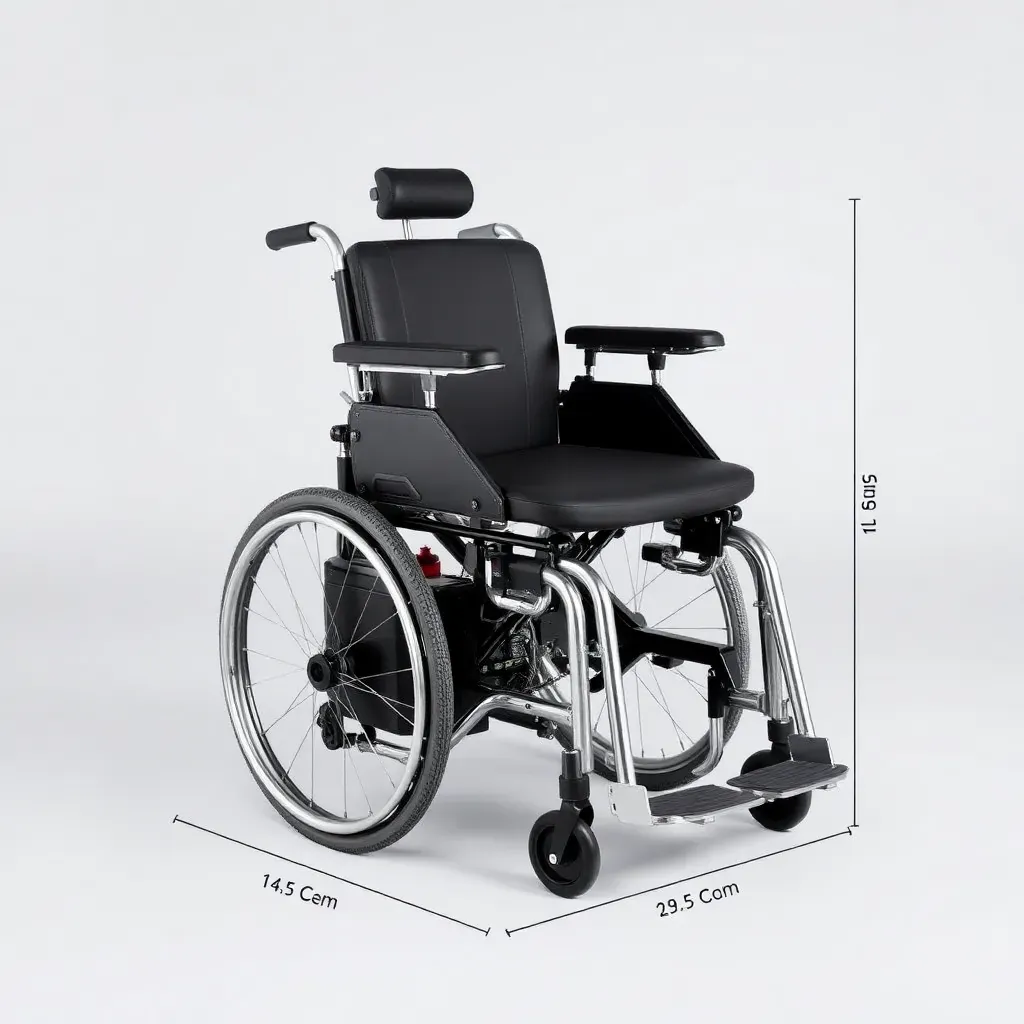
If you are asking how wide is a standard wheelchair, you are probably trying to decide whether a chair will fit through a door, along a hallway or into a car. It is a fair question, and it is better answered with measurements from the actual chair than with a general figure.
This guide does not state typical sizes as fact. Chair makers, models and fittings vary, and a number copied from the wrong source can lead to a wrong decision. Instead, it explains what to measure, why a chair's overall width differs from its seat width, and how to check a chair's stated measurements with the maker and a therapist.
Use this page as a planning guide, and follow the maker's instructions and your therapist's advice for the chair you actually use.
How wide is a standard wheelchair? Why one number does not fit everyone
The word standard describes a general type of chair, not a fixed size. Chairs are made in many seat sizes, frame styles and wheel arrangements, so two chairs that are both called standard can differ in width. Guides often quote a typical overall width for a standard adult chair, but that figure should be confirmed against a source and against the chair in front of you.
Average, regular and most wheelchairs
People also search for how wide is the average wheelchair, how wide is a regular wheelchair and how wide are most wheelchairs. These phrases all ask for a typical chair. A typical chair is a useful starting point for a rough idea, but the chair that matters is the one that will be used, set up the way it will be used.
A manual wheelchair with a narrow frame, a chair with a wider seat and a powered chair with controls fitted can each have a different overall width.
What to ask for instead of a typical size
Ask for the stated seat width, the stated overall width and the stated folded width for the exact model, and ask what is included in each. Then measure the real doorways, hallways and spaces the chair needs to pass through.
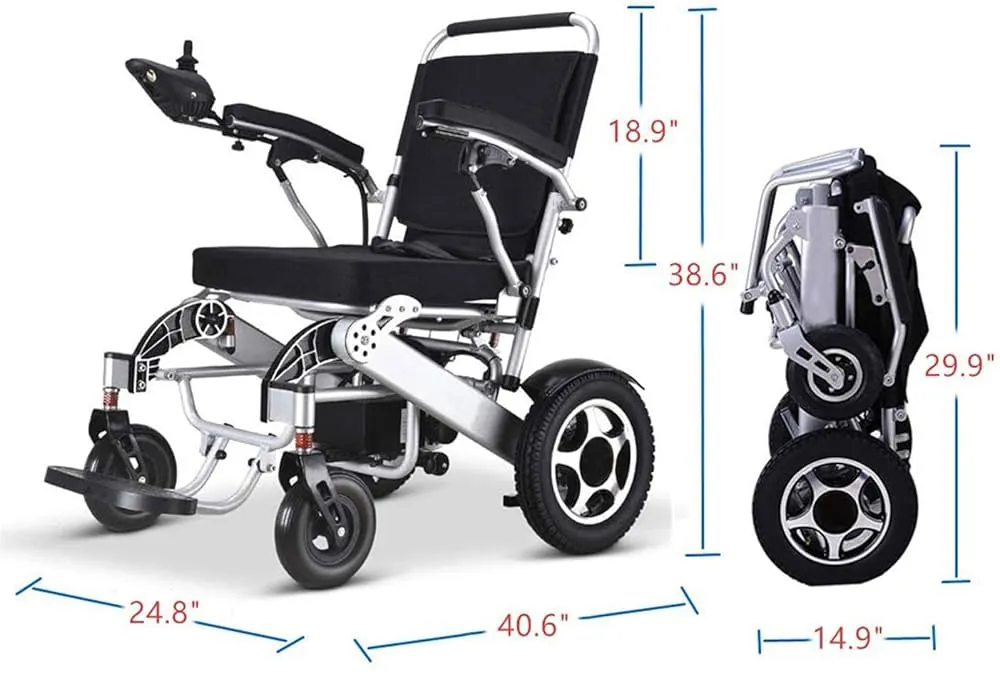
Seat width and overall width are not the same
Two measurements are easy to confuse. Seat width is about fit for the person. Overall width is about fit for the space. Keeping them apart avoids most mistakes.
Seat width and wheelchair seat dimensions
Seat width is the space across the seat where a person sits. It is one of several wheelchair seat dimensions, along with seat depth, seat height and the height of the back support. People also search for standard wheelchair seat dimensions and wheelchair seat measurements, but there is no one setting that suits everyone, because the right seat size depends on the person's body, posture, clothing and any cushion or support used.
A therapist can take seat measurements and explain how they relate to comfort and positioning. People who need a wider seat can look at the heavy duty wheelchair page, and people who want a more compact chair can look at the small wheelchair page. Neither choice replaces a fitting with a therapist.
Overall width from wheel to wheel
Overall width is the full width of the chair at its widest point. People sometimes search for how wide a wheelchair is from wheel to wheel, which is a common way to describe it. Measure at the widest point of the chair as it is set up for use, not only across the frame.
Parts that can add to the overall width include the wheels, tires, handrims, armrests, side guards, brakes, hand controls and any bags or accessories fitted to the sides. On an electric wheelchair, the controls and any fitted mounts can matter too.
Why overall width is wider than seat width
The seat sits between the frame and the wheels, and the wheels, handrims and armrests sit outside it. That is why a chair's overall width is wider than its seat width. Some chairs also angle the wheels, which can change the overall width. Ask the maker which parts are included in the stated overall width.
A person's hands and elbows also need room when pushing a chair, so the space needed to move can be wider than the chair itself. A therapist can help you think this through for your own way of moving.

Doorways, door openings and door clearance
Door openings are where overall width matters most. People search for door openings for wheelchairs and door clearance for a wheelchair because the opening that matters is the clear space left once the door is open, not the width of the door itself.
Can a wheelchair fit through a standard door?
It depends on the chair and the door. Many guides give a recommended clear opening for wheelchair access. Because doors differ from home to home, measure the real opening and compare it with the chair's stated overall width, then allow room for hands and for approaching the door at an angle.
What to measure at a doorway
Measure these points at every doorway the chair needs to pass through.
- The clear opening with the door open as far as it will go.
- Whether the door frame, hinges or door stop reduce the opening.
- The direction the door swings and the space beside the handle side.
- The space in front of the door where the chair has to approach and turn.
- Any step, rail or threshold in the doorway.
Thresholds and small changes in level
A raised threshold can make a doorway hard to cross even when the opening is wide enough. Note whether the threshold is flat, raised or sloped, and ask a therapist or a qualified installer about safe options before changing anything.
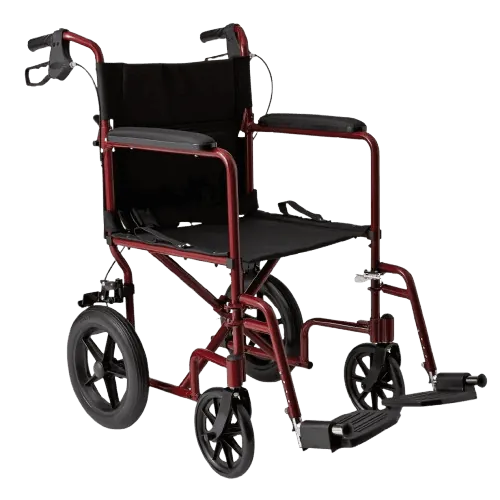
Hallways, corners and turning space
Hallways and corners
A hallway can be wide enough for a chair in a straight line and still be hard to use at a corner or beside a doorway. Measure the width along the whole route, at the narrowest point, and look for radiators, furniture, handrails and door handles that reduce it.
Think through the route from the chair's point of view: where it enters, where it turns and where it stops.
Turning space
Turning needs more room than going straight. The space needed depends on the chair's size, its wheelbase and how the person moves it. Guides often state a turning space for wheelchair access. A therapist can help you judge the space needed for your chair and your way of moving. Check the rooms where turning matters most, such as the bathroom, bedroom and kitchen.

Folded dimensions, storage and transport
People also search for wheelchair dimensions folded and wheelchair folded dimensions. A folded size helps with car boots, cupboards and storage. Guides often quote typical folded sizes for different chair types. The reliable figure is the maker's stated folded size for your exact model, checked against the space you plan to use.
A folding wheelchair, a transport chair or a lightweight wheelchair may suit people who lift or store a chair often, but each should still be measured against the car or cupboard. For trips on buses and trains, see the guide to public transportation for wheelchair users.
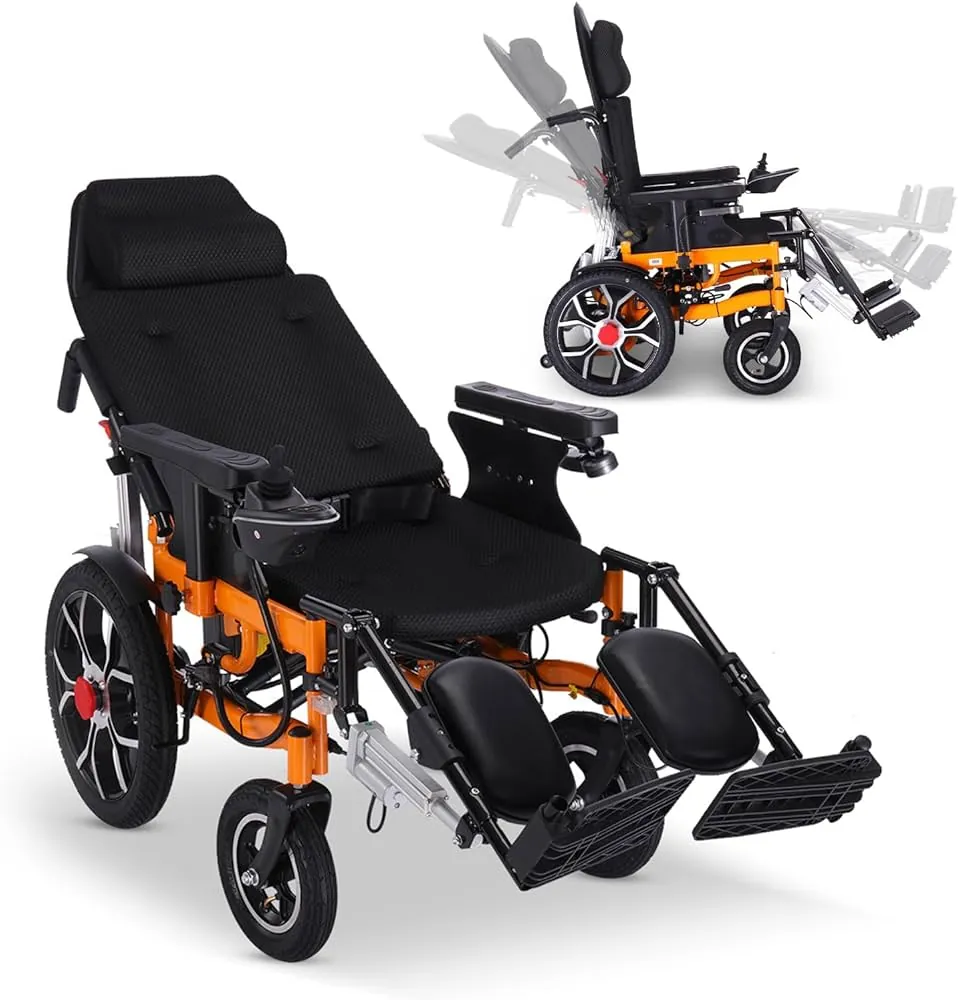
How to check a chair's stated measurements
Ask the maker
Ask the maker or seller for the stated seat width, overall width, folded size and the parts each figure includes. Ask for the information in writing, and ask whether adding accessories changes the overall width. Treat a figure with no stated source as unconfirmed until the maker confirms it.
Ask a therapist
An occupational therapist or physical therapist can check seat measurements, positioning and how the chair works in the home. They can also advise on moving around tight spaces and on changes that may help.
Check it at home
Before you buy a chair or change a space, work through these steps.
- Measure the real chair at its widest point, with the wheels and any accessories set up as they are used.
- Mark the chair's overall width on a strip of paper or tape and test it against each doorway.
- Measure each doorway's clear opening and each hallway at its narrowest point.
- Check turning spaces in the rooms where the chair is used most.
- Write every measurement down in the same unit and note what each one includes.
- When measuring someone else's chair, ask first and treat the chair as part of their personal space. See disability etiquette for more on respectful communication.
Where standards and clinical guidance come from
Door, hallway and turning-space requirements are set out in accessibility standards and building codes, which differ by place and by type of building. Check the rules that apply to your home or building before you plan changes.
Seat sizing, positioning and pressure care are clinical topics, and a therapist is the right person to ask.
Choosing a chair for your space
Start with the spaces, then the chair. List the doorways, hallways, turning spaces and vehicles the chair must pass through, and note the narrowest one. Then compare chairs by their stated overall width as well as their seat width, and ask a therapist about fit before you buy.
If you are helping someone adjust to using a chair at home, the guide to adjusting to life in a wheelchair covers the wider picture.