Compare chairs made to be easier to lift and carry.
Small wheelchair guide: how to choose a compact chair
A small wheelchair is a wheelchair with a smaller or more compact build than a standard chair. It is also searched for as a compact wheelchair. People often look for one to fit small spaces, to store it more easily or to take it in a car. This guide explains how small chairs differ, what to check before you choose, and how a small wheelchair compares with a lightweight wheelchair, a portable wheelchair and a transport chair.
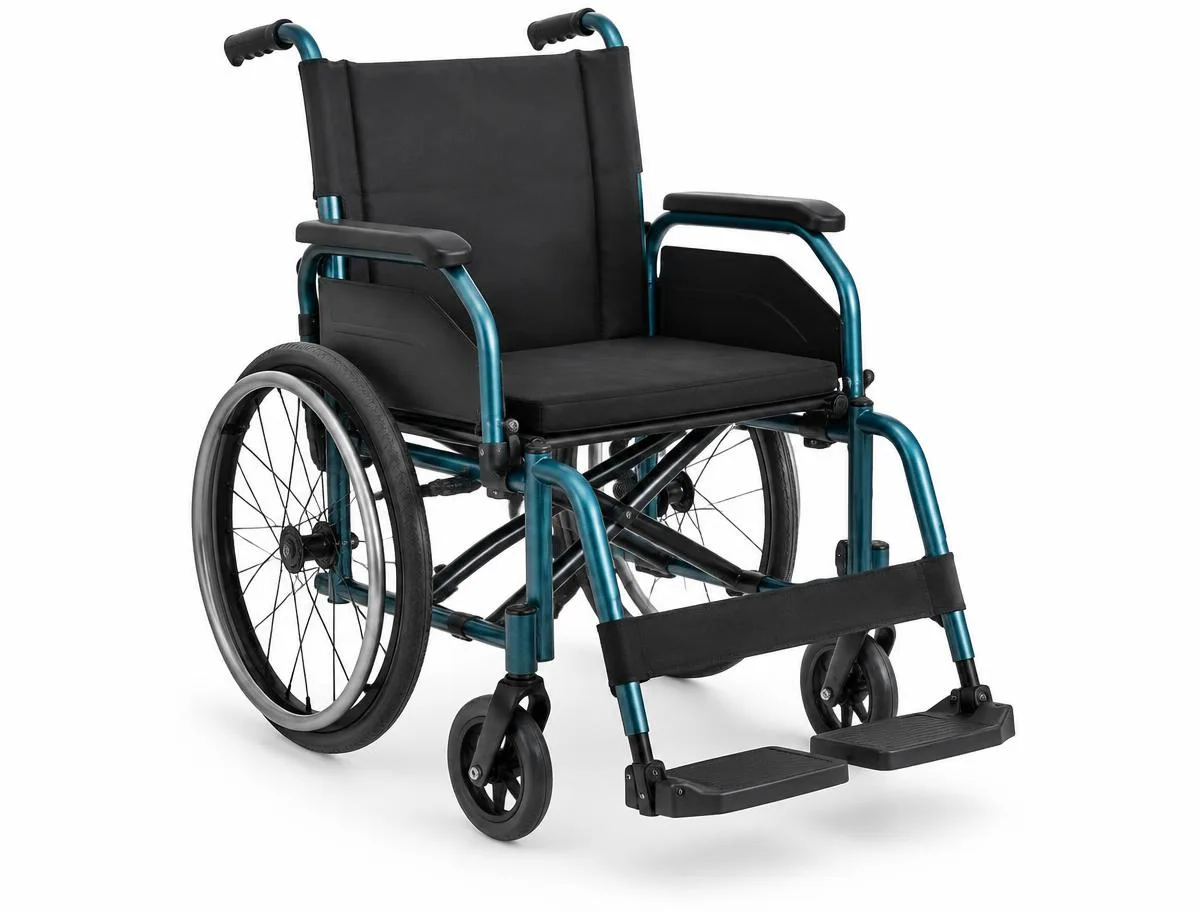
What is a small wheelchair?
A small wheelchair has a smaller or more compact build than a standard wheelchair. Some are small because the frame is short, some because the seat is narrower, and some because the chair folds into a smaller shape. Each maker uses its own idea of small, so compare what each chair is built to do.
Small wheelchair or compact wheelchair?
In shopping and in search the two names are used for the same kind of chair, one that takes up less room. Compact often points to a short frame or a frame that folds smaller, and small can also point to a smaller seat. The names are not a standard, so check what the maker lists for the chair you choose.
Who a small wheelchair may suit
A small wheelchair may suit someone who uses a chair in a small home, who shares a car, or who wants a chair that is simpler to store, and it may suit a caregiver who handles the chair. A smaller chair is not right for everyone, and a chair that is too small can be uncomfortable. Ask a healthcare professional or therapist about seat fit and positioning before you choose a chair.
Small wheelchair or another type of chair?
A small wheelchair is defined by how much room it takes, so it overlaps with several other guides on this site. These notes show where each one fits.
Small wheelchair or lightweight wheelchair
A lightweight wheelchair is defined by how easy it is to lift and carry, while a small wheelchair is defined by how much room it takes. A chair can be small without being light, and light without being small. Compare both guides if lifting the chair is part of the plan.
Small wheelchair or portable wheelchair
A portable wheelchair is made to be carried, packed or taken on trips, and many portable chairs are also compact. A small chair that does not fold may suit use at home better than travel. The portable wheelchair guide covers travel use in more detail.
Small wheelchair or folding wheelchair
A folding wheelchair is defined by a frame that folds. Many small chairs fold, but a chair can be small without folding, so check the folding steps and ask the maker how the chair looks when folded. The folding wheelchair guide looks at how folding frames work and what to check for storage and travel.
Small wheelchair or transport chair
A transport chair is made to be pushed by someone else, and it often has smaller wheels. A small wheelchair may be pushed by a helper or by the user, depending on the wheels, so think about who will do the pushing. See the reclining wheelchair guide if a backrest that leans back matters too.
Types of small wheelchair
Manual small wheelchairs
A manual small wheelchair has no motor and no battery to charge. Some are pushed by the user and some by a helper, depending on the wheels and push handles. See the manual wheelchair guide for how manual types differ.
Folding compact wheelchairs
A folding compact wheelchair has a frame that folds into a smaller shape. This can help with storage at home and loading into a car, but ask the maker what the folding steps involve and who can do them safely. See the folding wheelchair guide for how folding frames work.
Small electric wheelchairs
A small electric wheelchair is a powered chair built to be compact, and it has a motor and a battery. A motor and battery add parts, so ask the maker about the size of the chair, the turning room it needs, and how it is moved and stored. The electric wheelchair and motorized wheelchair guides cover powered chairs in general.
Compact wheelchair: what to know
A compact wheelchair is the same kind of chair as a small wheelchair. People search for it by this name, and the chair is meant to take up less room. These notes cover what compact can mean and what to check.
What compact can mean
A compact chair may have a short frame, a small turning space, a narrow seat, a back that folds down or a frame that folds. Not every compact chair has all of these, so ask the maker which features the chair has.
Compact wheelchair for tight spaces
Think about the rooms the chair will be used in, such as hallways, bathrooms, elevators and doorways. Do not rely on the word compact alone. Check the doorway and the chair specifications with the maker, and try the chair in the space if you can.
Compact wheelchair for storage and car use
A compact chair can be easier to store in a small home or a car trunk, but this depends on the chair. Ask the maker how the chair stores and whether the person lifting it can manage it safely.
What to look for in a small wheelchair
Seat fit and support
A small chair still has to fit the user. Check that the seat supports the user without squeezing or leaving gaps, and that the back, armrests and footrests suit the user's body and posture. Ask a healthcare professional or therapist about seat fit, cushion and positioning.
Doorways and turning space
Small does not guarantee that a chair fits every doorway or turns easily in every room. Check the doorways, hallways and bathroom where the chair will be used, and compare them with the chair specifications from the maker. Try the chair in the space where you can.
Wheels and getting around
The wheels decide how the chair moves. Smaller wheels may suit tight spaces but can be harder on rough ground, curbs and ramps, and some chairs are made to be pushed by a helper only. Ask the maker about the wheels and who can push the chair.
Folding, storage and lifting
Check how the chair folds or stores, whether the steps are easy for the person who will do them, and who will lift the chair. Ask the maker to show the steps and follow the instructions for the chair you choose.
Stability and brakes
A smaller frame can feel different from a standard chair, so check that the chair feels steady and that no part rocks. Ask the maker whether anti-tip parts are included or can be added, and check that the brakes are easy to reach and hold firmly.
Transfers and helper use
Ask who will help the user in and out of the chair and where the chair will be placed for a transfer. Lock the brakes before any transfer, and ask a healthcare professional or therapist to show safe ways to transfer.
Questions to ask before you choose
- Where will the chair be used most: at home, outdoors, in a car or a mix of places?
- What does the maker list for the size, weight and capacity of the chair, and how does that fit the doorways and rooms where it will be used?
- Who will push, fold and lift the chair: the user, a helper or both?
- Is the chair manual or powered, and does that suit the user's routine and the helper?
- Do the seat, back, armrests and footrests suit the user's body and posture, and has a healthcare professional or therapist checked the fit?
- Does the chair fold or store in the way you need, and are the steps easy for the person who will do them?
- Does the chair feel steady, and do the brakes hold firmly?
- What is included with the chair, and what support follows the sale? Ask the seller to explain this clearly.
Using and caring for a small wheelchair
Safe use
Follow the maker's instructions for use, folding and storage. Lock the brakes before the user gets in or out, keep the footrests secure, and keep hands and fingers clear of joints and folding parts. Ask a healthcare professional or therapist about fit, positioning and how to move on slopes or uneven ground.
Regular checks
Check the frame, folding locks, joints, wheels, tires, brakes and upholstery often, and keep the chair clean and dry. If a part looks worn, the chair does not lock open or a brake does not hold, stop using the chair until it has been checked.
Frequently asked questions
A small wheelchair is a wheelchair with a smaller or more compact build than a standard chair. It may be manual or powered, and it may or may not fold. Ask a healthcare professional or therapist about seat fit before you choose.
In shopping and in search the two names are used for the same kind of chair, one that takes up less room. The names are not a standard, so check what the maker lists for the chair.
Yes, some small chairs have a frame that folds, and others do not. Ask the maker about the folding steps and how the chair looks when folded, and see the folding wheelchair guide for how folding frames work.
Some powered chairs are built to be compact. A motor and battery add parts, so ask the maker about the size of the chair and how it is moved and stored, and see the electric wheelchair guide for powered chairs in general.
Do not rely on the word small. Check the doorway and the chair specifications with the maker, and try the chair in the space if you can.
They are not the same. A small wheelchair is described by how much room it takes, while a lightweight wheelchair is described by how easy it is to lift and carry. A chair can be one without the other.
No single chair costs the same for everyone, because cost depends on the type of chair, the parts included and whether it is manual or powered. Compare what each chair includes, not only the cost, and check the current cost with the seller.