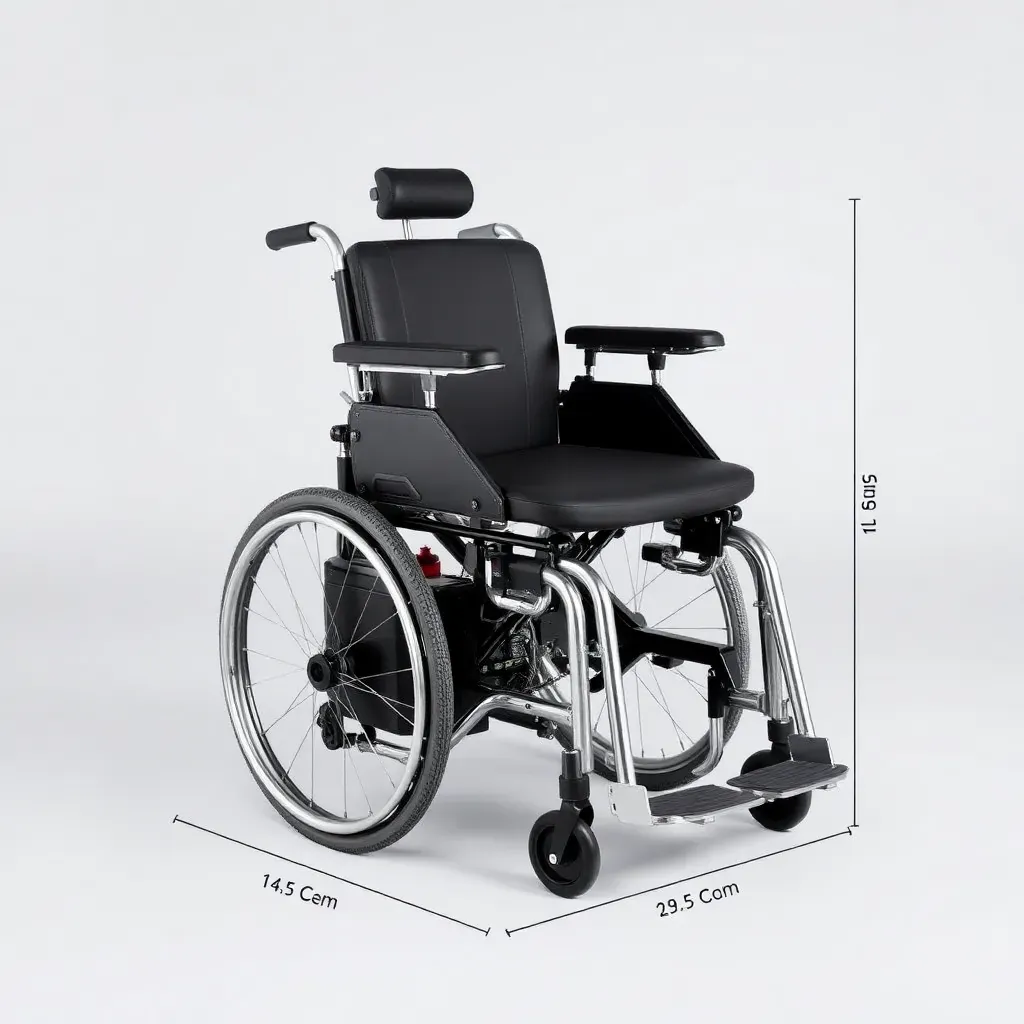
How to lift someone off the floor: what to know first
If someone has fallen, lifting them is not always the right first move. This caregiver guide covers what to know before you try to lift someone off the floor: when not to move them, what to check, how to call for help, how to keep them comfortable and how to plan ahead. It does not teach a lifting method.

A fall at home is frightening for the person and for the caregiver, and the first reaction is often to help the person up straight away. If you are wondering how to lift someone off the floor, the most useful answer starts before any lifting: is the person hurt, and does someone with training need to be called first?
This guide is for family members and caregivers. It explains why a fall is not an automatic reason to lift, what to check, how to call for help, how to keep the person comfortable while you wait, and what to ask a healthcare professional. It does not give a lifting method, because a method needs to be learned in person and fitted to the person and the place.
If you are caring for someone who uses a wheelchair, the guide to adjusting to life in a wheelchair covers the wider picture. This post gives general information only and does not replace advice from a healthcare professional.
Should you lift someone off the floor?
Not always, and not straight away. After a fall the person may be hurt in ways that are hard to see, and moving them can make an injury worse. The safest first move is to pause, stay calm and find out what has happened.
A fall is not an automatic reason to lift
A person on the floor is not always in danger from being on the floor. They may be able to rest where they are while you check on them and decide who to call. Lifting is a decision to make after the checks in this guide, not a reflex.
Why lifting alone can injure both people
Lifting a person from the floor is physically demanding. Without training, a caregiver can strain themselves and the person can be hurt or dropped. This is one reason many care plans name who to call and what equipment to use instead of relying on one helper.
What to check before you do anything
Take a moment to look and listen before you touch the person. The checks below help you decide whether to call emergency services, call someone else, or wait with the person. If you are unsure about any of them, treat it as an emergency.
Call emergency services and do not move the person if any of these apply:
- The person may be injured.
- The person may have hit their head.
- The person has pain.
- The person cannot move, or cannot move a part of their body.
- The person is not responding, or seems confused or very drowsy.
- You are not sure whether the person is hurt.
Is the person hurt?
Look for signs of injury and ask the person where it hurts. Pain, swelling, an odd position of an arm or leg, bleeding or a hit to the head are all reasons to call for help and leave the person where they are. A person may say they are fine and still be hurt, so call if you are in doubt.
Are they awake and responding?
Speak to the person and see whether they answer clearly. If they do not respond, seem confused or are very drowsy, call emergency services and do not try to move them.
Can they say what happened?
If the person can tell you what happened, listen. It helps to know whether they tripped, felt dizzy, lost their balance or fainted, and whether they hit anything on the way down. Pass this on to the responders or the healthcare professional you call. Do not decide for the person that they are unhurt.

Calling for help
Calling for help is not an overreaction. It brings people with training, and often equipment, to the person. Keep your phone within reach while you stay with the person, or ask someone nearby to make the call.
When to call emergency services
Call emergency services using your local emergency number if any warning sign in the list above is present, or if you are unsure. Say clearly where you are, what happened and what you can see, and follow the directions of the person who answers.
Who else can help
If the person is not hurt and does not need an emergency response, there may still be someone to call, such as a family member, a neighbour, a home care provider or the contact named in the person's care plan. Some areas have non-emergency services that send trained helpers to a person who has fallen but is not hurt.
Trained responders and equipment
Trained responders know how to check an injured person and how to move them when it is safe to do so. Equipment made for helping a person from the floor also exists, and a therapist can explain what is available and who should use it. This guide does not describe how any equipment works.

Keeping the person comfortable while you wait
While you wait for help, the aim is to keep the person as comfortable and calm as possible without moving them.
Stay with the person
Stay close, keep talking and let the person know that help is on the way. Do not leave them alone unless you must go to call for help. Ask them to tell you if anything changes, such as new pain or feeling faint.
Keep them warm and calm
A blanket or coat placed over the person can help keep them warm, and there is no need to move them to do it. Speak calmly and speak to the person directly, not over them. The disability etiquette guide covers respectful communication.
What a care plan or therapist can teach in person
Safe ways to help a person from the floor depend on the person, their health, the space and the equipment available. That is why they are best learned in person from a professional who can see the situation.
Care plans
A care plan can say what to do after a fall for a particular person, who to call and what equipment is in the home. If the person has a care plan, keep a copy where every helper can find it. If not, ask the person's healthcare team whether one should be made.
Occupational therapists and other professionals
An occupational therapist or another trained professional can look at the person and the home and show helpers what suits them, in person. This post does not replace that training and does not describe a method.
Questions to ask a healthcare professional or occupational therapist
Bring these questions to an appointment, or ask them when a care plan is made.
- What should we do first if the person falls?
- When should we call emergency services, and when is another call enough?
- Who should help the person up, and who should not?
- What equipment, if any, would suit the person and the home, and who can teach us to use it?
- What training is available for family members and caregivers?
- What should we do if the person falls, is not hurt, but cannot get up?
- Who should we tell after a fall, and what should we write down?
Write the answers down and keep them with the care plan, so that every helper can find them.
Preparing for a fall: a plan and a safe space
Planning ahead makes a fall less frightening and helps everyone act calmly. Your healthcare team can tailor the plan to the person.
Write down a plan for falls
A short written plan can list who to call first, who to call next, where the phone is, and where the care plan is kept. Share it with every helper and keep it where they can see it.
Keep the area clear
Keep walkways clear of loose rugs and cords, leave room to move around furniture and through doorways, and keep the lighting good. The guide to how wide a standard wheelchair is can help you think about the space a chair needs.
Check that mobility aids fit
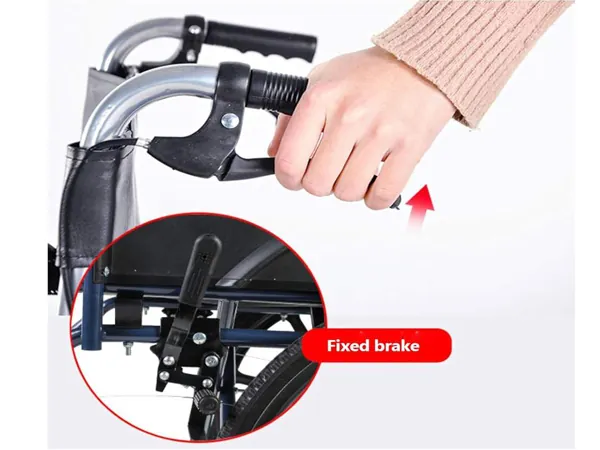
A mobility aid that does not suit the person, or that is not set up properly, can add to the risk of a fall. Ask a therapist to check the fit of a chair, scooter or walking aid, and follow the maker's instructions. The most comfortable wheelchair guide and the parts of a wheelchair guide explain what to look for and what each part does. You can also read the manual wheelchair, electric wheelchair and transport chair pages, or see wheelchair accessories for add-ons.
Where this guidance comes from
This post gives general information for caregivers. It is written to point you to trained people, not to replace them. A cited source from a clinical or health authority guide on falls and getting up from the floor still has to be added before this post goes live.
It does not name makers or models, give figures or describe any lifting method. Follow the care plan and the advice of a healthcare professional, and call emergency services if you have any doubt about injury.