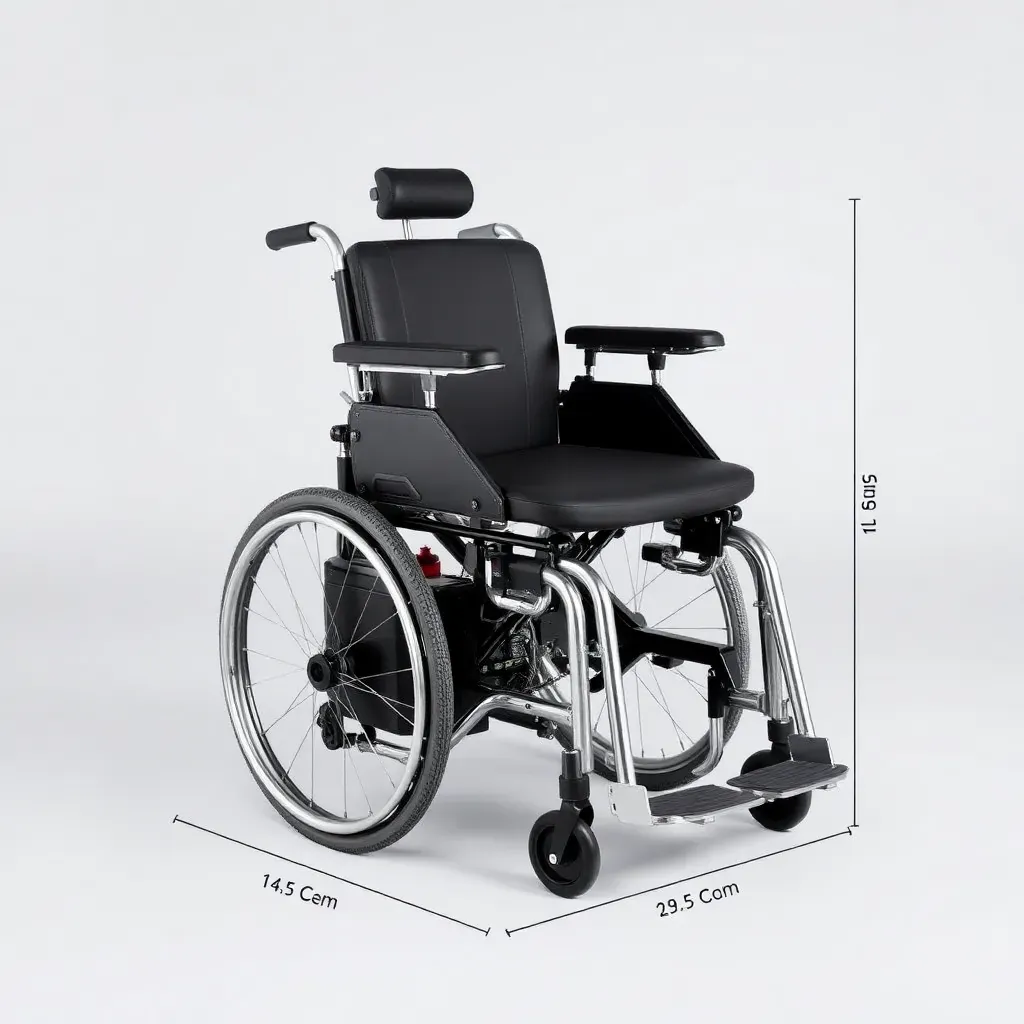
Most comfortable wheelchair: what to look for
There is no single most comfortable wheelchair, because comfort depends on the person, the seat, the set-up and how long the chair is used each day. This guide explains the features that affect comfort, the types of chair people often choose for it and the questions to ask a therapist.

If you are looking for a comfortable wheelchair, you may be wondering which chair is the most comfortable. It is a fair question, but comfort is personal. A chair that suits one person for a short trip can be a poor fit for another person who sits in it all day.
This guide does not rank chairs or name a winner. Instead, it explains the features that affect comfort, which types of chair tend to be chosen for comfort, and what to ask a therapist so that a chair is fitted to the person who will use it.
Use this page as a planning guide, and follow the maker's instructions and your therapist's advice for the chair you actually use.
What makes a comfortable wheelchair?
Comfort in a wheelchair comes from how well the chair fits and supports the person, not from one single feature. A chair that feels comfortable for a short time may feel different after a full day, so it helps to think about how long, where and how the chair is used.
What is the most comfortable wheelchair?
People often search for the most comfortable wheelchair or the most comfortable wheelchairs, hoping for one name. The honest answer is that it depends on the person's body, posture, daily routine and the places the chair is used. A chair that is right for one person can be wrong for another, so this guide lists what to check instead of picking a winner.
Comfy, ergonomic and orthopedic wheelchairs
People also search for comfy wheelchairs, ergonomic wheelchairs and orthopedic wheelchairs. These words are usually used for chairs described as designed to support a good seated position and to reduce strain on the body, but they are used loosely. Ask the maker what a word such as ergonomic means for a particular model, and ask a therapist whether its features suit the person.
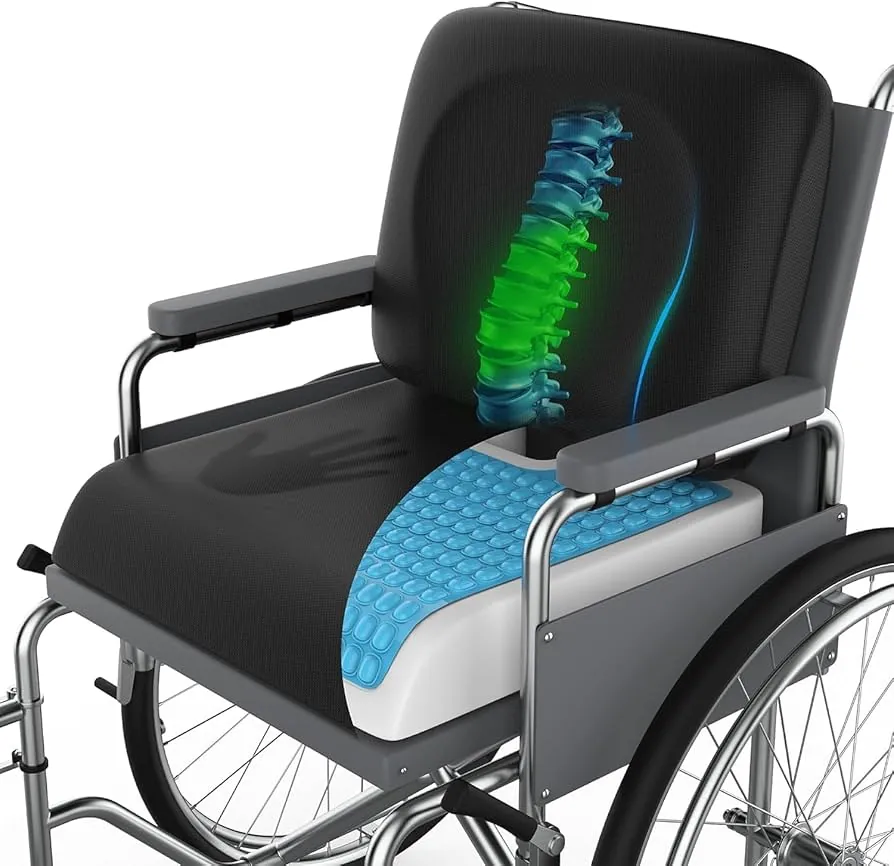
Seat and back support
The seat and back are where much of a chair's comfort is decided. A seat that does not fit, or a back that does not support the person well, can make a chair uncomfortable over time. A therapist can measure the person and explain how seat size relates to comfort and positioning.
Seat width, depth and height
Seat width, seat depth and seat height each change how a person sits. The right setting depends on the person's body, posture and clothing, so there is no one setting that suits everyone. Ask a therapist to take seat measurements before choosing a chair. For more on measuring, see the guide to how wide a standard wheelchair is.
Back support
Back supports differ in height and shape, and some chairs allow the back to be adjusted. Look at whether the back gives the support the person needs for the way they sit and move, and whether it can be changed if needs change. A therapist can advise which kind of back support suits the person.
Cushions
A cushion is a separate part that sits on the seat, and it can change how a chair feels. People also search for the most comfortable wheelchair cushion, but there is no single cushion that suits everyone. Cushions and pressure care are health topics, so ask a therapist or other healthcare professional before choosing or changing one. The wheelchair accessories page covers the kinds of add-ons people look at.
Posture, adjustability and time in the chair
How a person sits affects comfort, and comfort can change over a day. A chair with adjustable parts lets a therapist set the chair to the person and change it later. Posture and pressure care are clinical topics, so ask a healthcare professional or therapist about seating.
Adjustable features
Look at which parts can be adjusted, such as the seat, the back, the armrests and the footrests, and who makes each adjustment. Some adjustments are made by a therapist or supplier and some by the user, so ask which are which.
Sitting for long periods
Sitting for a long time feels different from a short trip. Many people change position during the day, and some chairs have features that make this easier. Ask a therapist how often to change position and what to do if the chair becomes uncomfortable. For gentle movement ideas, see simple wheelchair exercises, and ask a healthcare professional what is suitable for you.

Weight, wheels and ease of pushing or driving
A chair can have a good seat and still be tiring to use. How easy a chair is to push or drive, and how it rides over different surfaces, affects comfort for the person sitting and for anyone helping.
Easy to push wheelchairs
People search for an easy to push wheelchair and for wheelchairs that are easy to push. Ease of pushing depends on the chair's weight, wheels, frame and set-up, and on the person doing the pushing. Look at how the chair handles in the places it will be used, and ask to try it there where possible.
Wheels, tires and ride
Wheel type and tire type affect how a chair rolls and how bumps are felt by the person sitting. Ask the maker which wheel and tire options exist and how they suit indoor and outdoor use.
Armrests, footrests and fit
Armrests
Armrests support the arms and can help a person sit down, stand up or transfer. Look at how high the armrests are, whether they can be moved or removed, and whether they get in the way of a table or desk.
Footrests and leg rests
Footrests and leg rests support the legs. Look at whether they adjust, whether they swing away or lift for transfers, and whether they keep the person's legs well supported. Replacement and add-on parts are covered on the wheelchair accessories page.
Fit for the person and the space
A chair that fits the person but not the space, such as a doorway, a car or a room, will not feel comfortable in daily use. Compare the chair's stated overall width with the real spaces it must pass through, and ask the maker for the stated measurements in writing.

Types of chair often chosen for comfort
No type of chair is the most comfortable for everyone. Different types suit different needs, and the list below shows where people often look when comfort matters. These are starting points, not rankings, and none replaces a fitting with a therapist.
Adjustable manual chairs
Some chairs pushed by hand are made with seats and backs that can be adjusted to the person. See the manual wheelchair page, and ask which parts adjust and who makes the changes.
Lightweight chairs
A lighter chair can be easier to push, lift and store, which some people find more comfortable day to day. See the lightweight wheelchair page, and check that the seat and back still suit the person.
Reclining chairs
A reclining chair lets the person change the angle of the back, which some people use to rest or to change position. See the reclining wheelchair page, and ask a therapist whether a reclining chair suits the person.
Electric and motorized chairs
A powered chair removes the effort of pushing, which some people choose for comfort over a long day. Controls, seating options and ride differ, so see the electric wheelchair and motorized wheelchair pages, and ask a therapist about control and seating options.
Folding, portable and transport chairs
Folding, portable and transport chairs are often used for short trips and for travel, and their seats are usually less adjustable than a chair set up for daily use. See the folding wheelchair, portable wheelchair and transport chair pages.
Wider and more compact seats
People who need a wider seat can look at the heavy duty wheelchair page, and people who want a more compact chair can look at the small wheelchair page. Neither choice replaces a fitting with a therapist.

Questions to ask a therapist
An occupational therapist or physical therapist can assess seating, posture and how a chair works in daily life. Bring these questions to the appointment.
- Which seat size and back support suit me, and why?
- Do I need a cushion, and how should it be checked over time?
- Which parts of the chair should be adjustable, and who makes the adjustments?
- How should I sit, and how often should I change position?
- Would a reclining or powered chair be worth considering for me?
- How does the chair need to work in my home, my car and my workplace?
- What should I do if the chair becomes uncomfortable after a period of use?
How to check comfort before you decide
Comfort is easier to judge in use than on paper. Where a trial is possible, work through these steps and follow the maker's instructions for the chair.
- Sit in the chair for longer than a short test, set up the way you would use it every day.
- Try it with the cushion and any accessories you plan to use.
- Try transfers, pushing or driving, and turning in the real spaces where the chair will be used.
- Notice any pressure, pinching or sliding, and tell your therapist.
- Ask the maker for the stated measurements and adjustment options in writing.
If you are helping someone adjust to using a chair, the guide to adjusting to life in a wheelchair covers the wider picture.
Where clinical guidance comes from
Seating, posture and pressure care are clinical topics, and a therapist or other healthcare professional is the right person to ask.
This guide gives general information only. It does not rank chairs, and it does not replace advice from the person who assesses your seating.