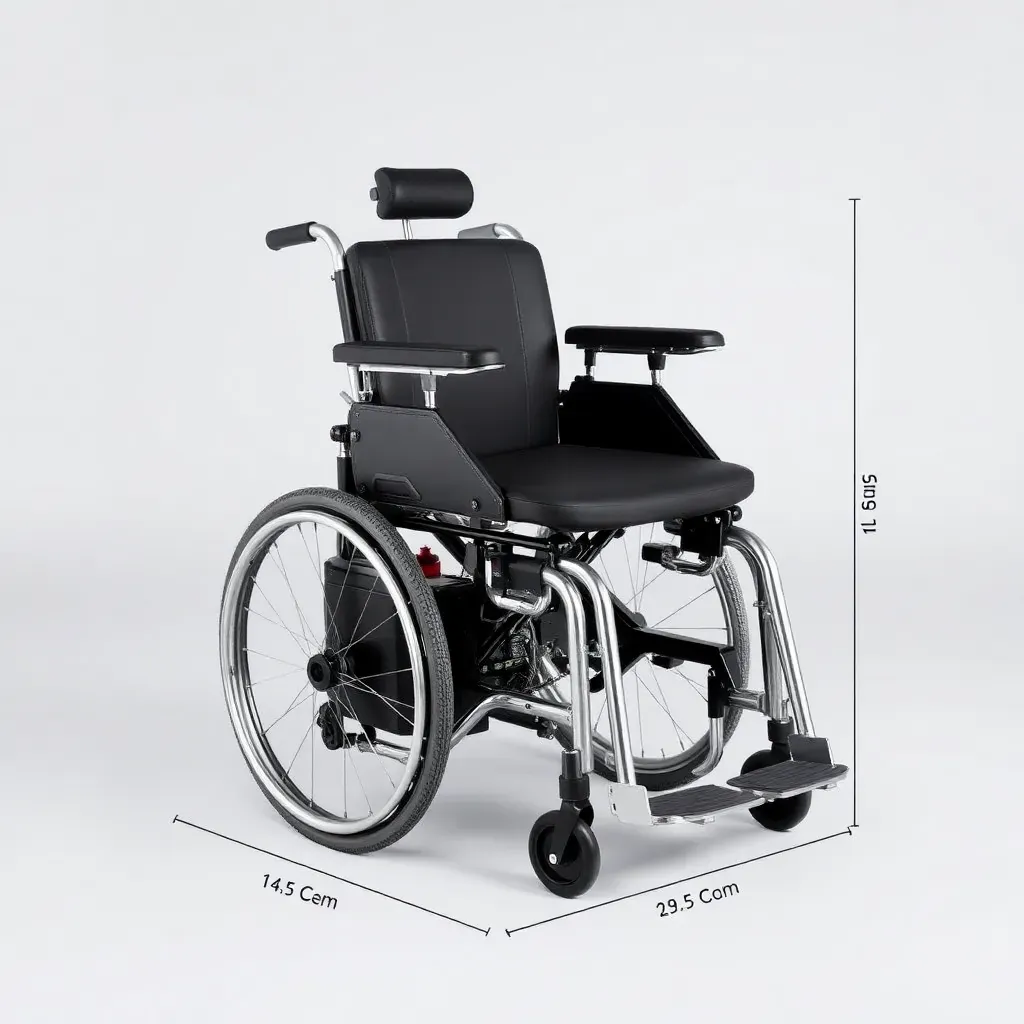
Parts of a wheelchair: what each part is and does
The parts of a wheelchair differ from chair to chair, but many chairs are described using the same main groups: a frame, a seat and back, wheels, brakes, armrests and footrests, and on a powered chair a motor, battery and controller. This guide names each part and explains what it does in general terms for a manual chair and a powered chair.

If you want to know the parts of a wheelchair, it helps to know that a chair is built from a few groups of parts: something to sit on, something to roll on, something to slow and hold the chair, somewhere to rest the arms and legs, and, on a powered chair, something to drive it. The names and the exact design change from chair to chair.
This guide names the main parts of a manual chair and a powered chair and explains what each one does in general terms. It does not give sizes, makers or part numbers, and it does not say that any part fits any chair.
Parts and names vary by chair, so check the maker's manual, or ask a supplier or a therapist, for the chair you actually use. If you are looking to replace or add a part, the wheelchair accessories page covers that buying angle.
Main parts of a wheelchair at a glance
Most wheelchairs can be understood as a set of groups of parts, each with a job. This list names the groups, and the sections below explain the parts inside them.
- The frame holds the other parts together.
- The seat, back and cushion support the person.
- The wheels and casters let the chair move and turn.
- The brakes and safety parts help hold and steady the chair.
- The armrests, footrests and leg rests support the arms and legs.
- On a powered chair, the motor, battery and controller drive and steer the chair.
Anatomy of a wheelchair: how the parts fit together
People also search for the anatomy of a wheelchair, meaning how the parts connect. In general terms, the frame is the base, the seat and back are fitted to it, the wheels and casters are attached below, and the armrests, footrests and any brakes are attached to the sides and front. A powered chair adds drive parts to this base. Exact layouts differ by chair.
Manual and power chair parts compared
A manual chair is moved by the user's hands or by a helper, so it has parts such as hand rims and push handles. A powered chair is driven by a motor and a controller, so it has parts such as a battery and a joystick. Many other parts, such as the seat, wheels and footrests, appear on both. See the manual wheelchair, electric wheelchair and motorized wheelchair pages for the chair types.
Why part names vary
The same part can have more than one name, and two makers can use different names for similar parts. Names also differ between manual and powered chairs. If you are not sure what a part is called, check the maker's manual or parts list, or ask a supplier or a therapist rather than guessing from a picture.
Frame and structure
The frame is the structure that carries the person and the other parts. Knowing what kind of frame a chair has helps when you talk to a maker, a supplier or a therapist.
Frame
The frame is the main structure that the seat, wheels and other parts are attached to. Some frames fold and some do not, and frames are made in different styles. Ask the maker how the frame of a particular chair is built and what that means for use and storage. See the lightweight wheelchair page for chairs described as light, and the guide to how wide a standard wheelchair is for how the frame, wheels and fittings relate to a chair's width.
Folding mechanism
On a folding chair, a folding mechanism, often a cross brace under the seat, lets the chair fold. Check the maker's instructions for how to fold and open the chair safely, and see the folding wheelchair page for the chair type.
Push handles
Push handles are at the back of many chairs so that a helper can push. Some chairs have them and some do not, and some are adjustable or removable. A chair made to be pushed by a helper, such as a transport chair, is usually fitted with them.
Seat, back and cushion
These parts carry the person and shape how the chair feels in use. A therapist can advise how they should be set up for the person, and the most comfortable wheelchair guide explains the comfort side in more detail.
Seat
The seat is the part the person sits on. Seats differ in how they are built and how much they can be adjusted, so ask the maker what the seat on a chair is made from and what can be changed.
Backrest
The backrest supports the person's back. Backrests differ in height and shape, and some can be adjusted or folded down. A therapist can advise which kind of back support suits the person.
Seat cushion
A cushion is a separate part that sits on the seat. It can change how the chair feels and how the person sits. Cushions and pressure care are health topics, so follow the maker's instructions and ask a therapist or other healthcare professional before choosing or changing one. The wheelchair accessories page covers cushions as add-ons.
Head support
Some chairs have a head support, a part that supports the head and neck. Head supports are positioning parts, so ask a therapist whether one is needed and how it should be set.
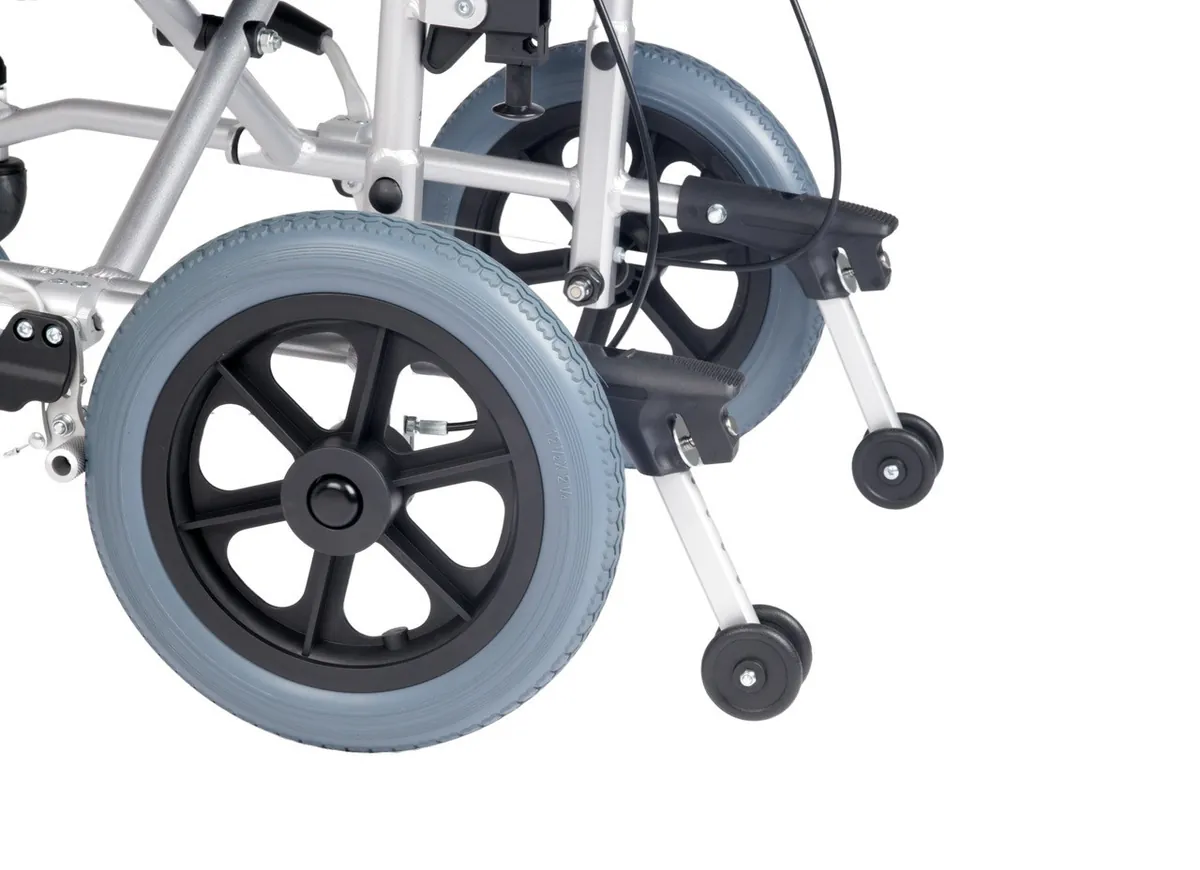
Wheels, casters and tires
Wheels let the chair roll and turn. Which wheels a chair has, and where they sit, differs from chair to chair, so check the layout on the chair you use.
Rear wheels
On a manual chair the larger wheels are often at the back, and the user can turn them by hand to move. On a powered chair the wheels that drive the chair may be at the back, the middle or the front. Ask the maker which wheels drive the chair.
Hand rims
A hand rim is a ring fixed beside a large wheel on a manual chair. The user holds and pushes it to turn the wheel.
Casters
Casters are the small wheels that swivel, usually at the front, and they let the chair turn. They come in different types, and the type affects how the chair rolls over different surfaces. Replacement casters are covered on the wheelchair accessories page.
Tires
Tires fit over the wheels. Different kinds of tire feel different on different surfaces and need different care. Ask the maker which tires a chair uses and what care they need.
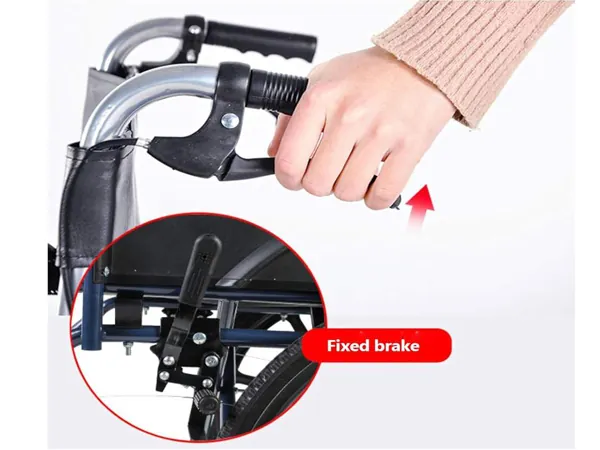
Brakes and safety parts
These parts are safety-related. Follow the maker's instructions for every one of them, and ask a healthcare professional or supplier how they work on your chair and how to check them. This guide describes them in general terms only and gives no instructions for setting or adjusting them.
Brakes
Wheelchair brakes, called wheel locks on some chairs, are parts that are described as holding the chair still when it is parked, for example during a transfer. Types and controls differ between manual and powered chairs, and a powered chair may also have a separate brake linked to its drive. Follow the maker's instructions and ask a healthcare professional or supplier how the brakes on your chair work. Brake extensions and replacements are covered on the wheelchair accessories page.
Anti-tippers
Anti-tippers, called anti-tip bars or tip guards on some chairs, are parts that are described as limiting how far a chair can tip backward. Not every chair has them, and some can be fitted or removed. Follow the maker's instructions and ask a healthcare professional or supplier whether they are needed and how they should be set.
Seat belts and positioning belts
A seat belt or positioning belt is a strap fitted to the seat that is described as helping the person stay in a set position. Which kind suits a person is a clinical question. Follow the maker's instructions and ask a healthcare professional or supplier about fit and use.
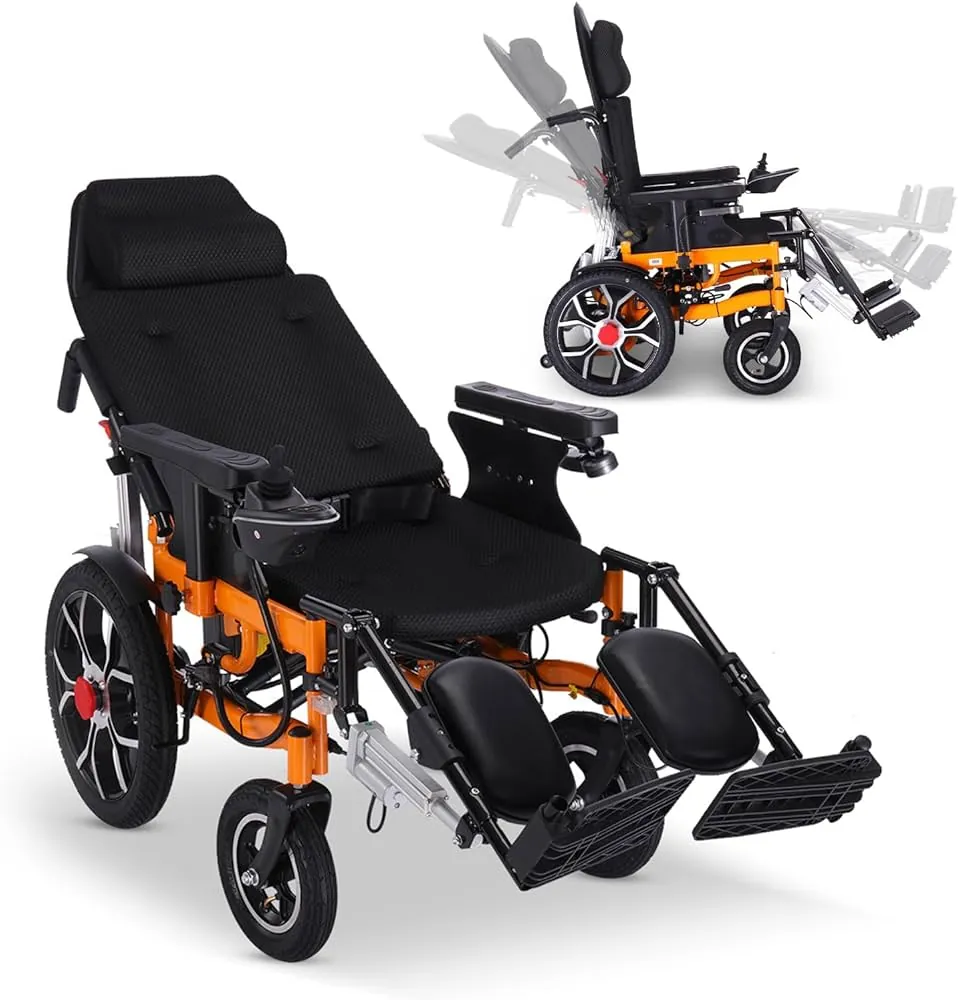
Armrests, footrests and leg rests
These parts support the arms and legs. Whether they adjust, fold, swing away or come off differs from chair to chair, so check the maker's manual for the chair you use.
Armrests
Armrests support the arms and can help a person sit down, stand up or transfer. Some are fixed, some lift or swing away, and some can be removed. The padding on top is a separate part. Ask the maker which kind a chair has. Replacement armrests and pads are covered on the wheelchair accessories page.
Footrests
Footrests are the supports where the person rests their shoes or soles. Some can be folded up or swung aside to make getting in and out easier. Ask the maker how the footrests on a chair work. Footrest add-ons and replacements are covered on the wheelchair accessories page.
Leg rests
Leg rests hold up the lower legs and are often combined with footrests. Some can be raised, swung away or removed, and some are called elevating leg rests. Ask a healthcare professional or supplier which kind suits the person.
Side guards
A side guard is a panel beside the seat, between the wheel and the person, that is described as protecting clothing from the wheel. Some chairs have them and some do not.
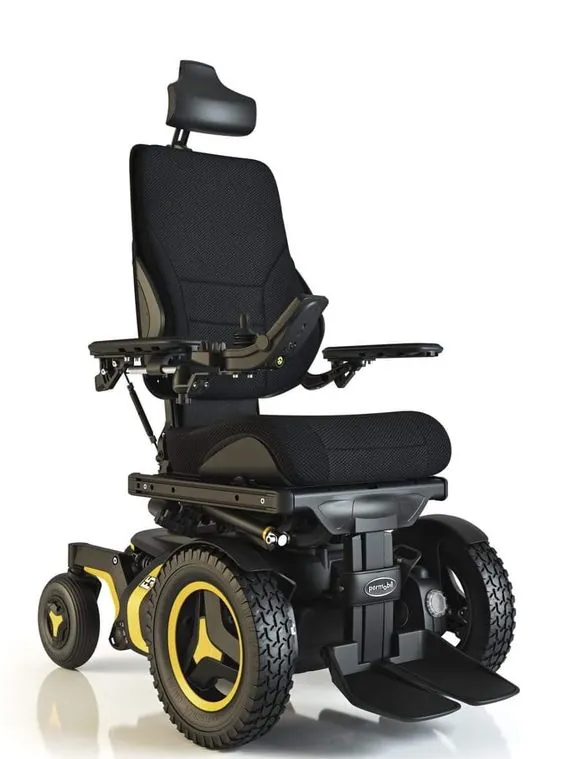
Parts of a power wheelchair
A powered chair has many of the parts above, plus parts that drive and control it. Because these parts are electrical, follow the maker's instructions and ask a supplier or a therapist about care, charging and any repair.
Motors and drive wheels
A motor turns the drive wheels that move a powered chair. Which wheels are driven, and how many motors a chair has, differs by chair. Ask the maker how the drive system on a chair is arranged.
Battery
The battery stores the power that runs the motor and the controls. Battery types and care differ, so follow the maker's instructions for use, storage and replacement, and ask the maker or a supplier before swapping one for another.
Charger
The charger is the part used to recharge the battery. Use only the charger the maker states is for the chair, and follow the maker's instructions for charging.
Controller and joystick
The controller is how the user drives and steers a powered chair, and a joystick is the most familiar kind. Other control types exist for people who cannot use a joystick. Ask a therapist or supplier which control suits the person.
Power seating functions
Some powered chairs can change the seat position, for example by tilting or reclining the seat or back, or by raising the seat. These functions are optional on some chairs. See the reclining wheelchair page, and ask a therapist whether any seat function suits the person.
Questions to ask about the parts
Bring these questions when you talk to a supplier or a therapist, or when you read the maker's manual.
- What is each part of my chair called, and where can I see the parts list?
- Which parts can be adjusted, and who makes the adjustments?
- Which parts are safety-related, and how should I check them?
- Which parts can be replaced, and who should fit a replacement?
- Which parts are different on a manual chair and a powered chair?
- What care does each part need, and how often should it be checked?
- What should I do if a part is loose, worn or not working?
If you are helping someone adjust to a new chair, the guide to adjusting to life in a wheelchair covers the wider picture.
Where part names come from
Part names come from the chair's maker and are usually listed in the manual or parts list for the chair, and a supplier can help you read them.
This guide gives general information only. It does not name makers or models, state sizes or promise that any part fits any chair, and it does not replace the maker's manual or advice from a healthcare professional or supplier.